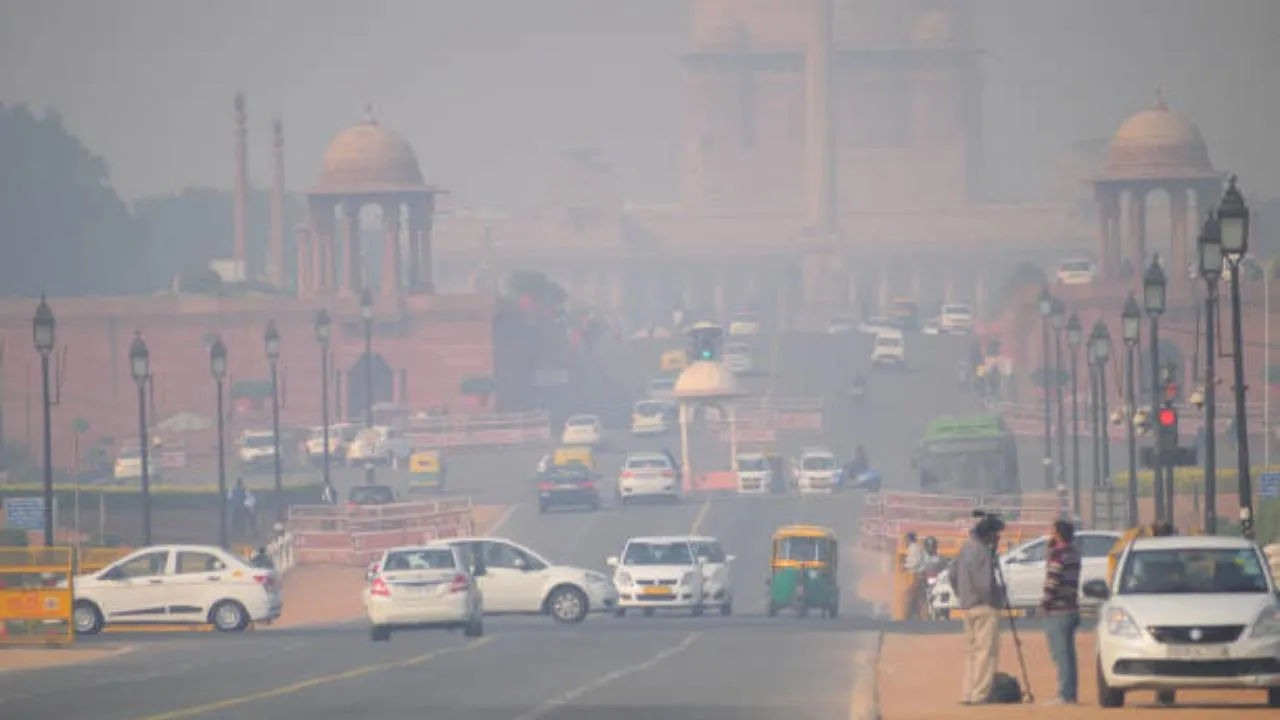
Delhi air pollution has become a major concern for people living in the city. Every year, especially during winter, the air quality often becomes poor due to vehicle smoke, construction dust, industrial emissions, and the burning of crop waste in nearby states. This pollution affects people daily lives in many ways. Many residents experience coughing, throat irritation, breathing difficulties, and eye irritation when pollution levels are high.
Children, older adults, and people with asthma or other breathing problems can be especially vulnerable. Air pollution also affects daily travel. Heavy smog can reduce visibility on roads, making driving more difficult and sometimes causing delays. People may avoid morning walks, outdoor exercise, and activities in parks because the air is unhealthy. Schools and families may also change outdoor plans when pollution levels rise. In addition, people often spend money on masks, air purifiers, and other measures to reduce their exposure to polluted air.
Delhi pollution is not only a health problem but also an environmental challenge. It affects the quality of life and makes it harder for residents to enjoy clean air. The government has introduced different measures to control pollution, including dust control, restrictions on certain polluting activities, and public transport improvements.
However, long term progress requires cooperation from government agencies, businesses, and citizens. People can help by using public transport, avoiding unnecessary vehicle journeys, saving electricity, and following local pollution control guidelines. Clean air is essential for a healthy life. Reducing Delhi air pollution requires continuous effort, public awareness, and responsible action from everyone.