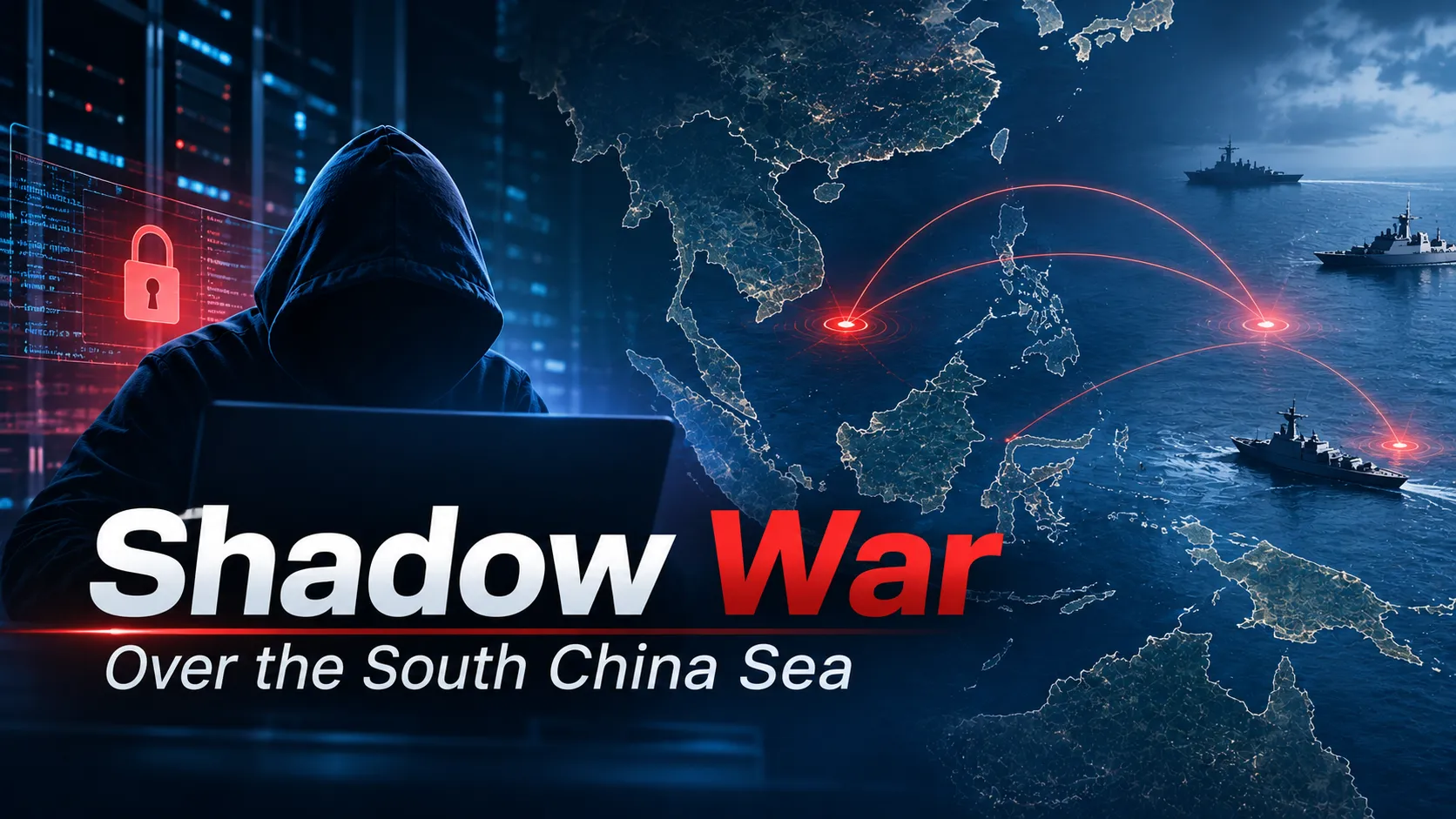
The fight over the South China Sea is no longer just about ships and islands. Across Southeast Asia, state backed hackers slip quietly into government, defence, and public networks to gather secrets and gain leverage. Instead of loud attacks, they move slowly and blend in, using unpatched software, exposed web apps, and hacked everyday gear like home routers to hide their trail before hunting for weak accounts deeper inside.
In a region full of overlapping sea claims, early information is real power. Hackers target offices handling diplomacy, defence plans, budgets, and offshore energy or shipping routes. Reading a rival's next move early helps at the negotiating table and out on the water, while staying hidden inside key systems can give attackers a head start if tensions spike.
Catching them is tough because digital clues can be faked, proof takes time, and many smaller agencies stretch thin tech budgets against constant scanning. To push back, countries are sharing alerts faster, tightening basics like multi-factor login and quick updates, and teaming up with private cyber defenders because in the South China Sea, a crisis can start on a keyboard long before a patrol boat ever leaves port.