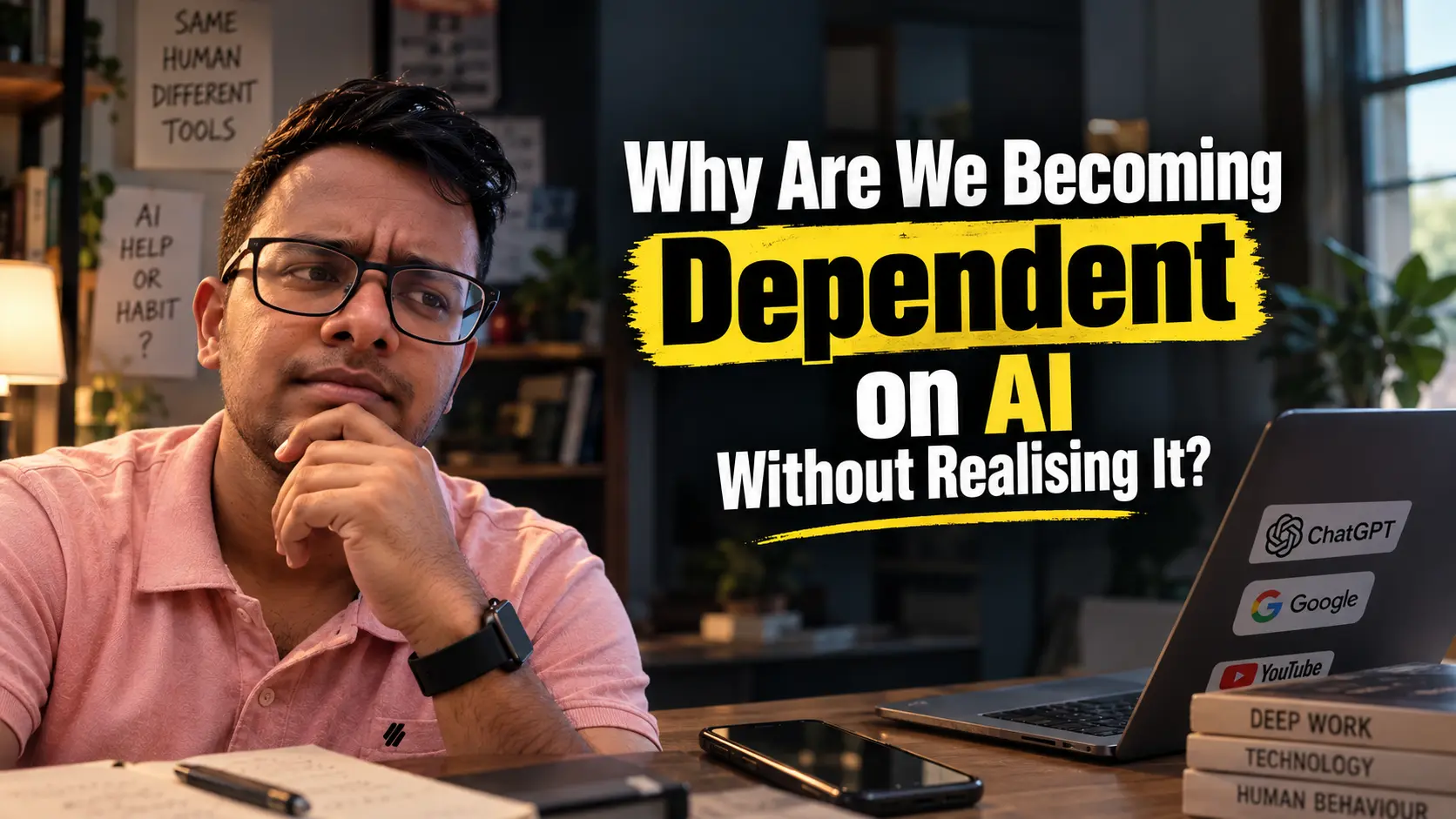
Technology used to be a simple tool we picked up to solve specific tasks. Today, artificial intelligence has quietly moved into the background of our daily thoughts. From drafting emails and organizing schedules to suggesting what to watch or buy next, AI answers our questions before we fully form them in our minds.
This transition happens so smoothly because human psychology naturally favors efficiency. Our brains seek the path of least resistance to save energy. When a tool instantly offers clear, high quality solutions, we naturally stop using our own effort to recall, plan, or solve problems.
Over time, this convenience creates an invisible habit: we delegate thinking before trying to solve a task ourselves. Psychologists call this subtle shift cognitive offloading. While outsourcing simple tasks frees up mental space, over relying on automated help can weaken critical thinking and self trust.
When we consult algorithms for personal decisions, we slowly lose confidence in our independent judgment. AI dependency rarely feels like an addiction; it feels like staying efficient. Understanding this psychological shift allows us to use modern smart tools intentionally, making sure they support our intelligence rather than replace it.