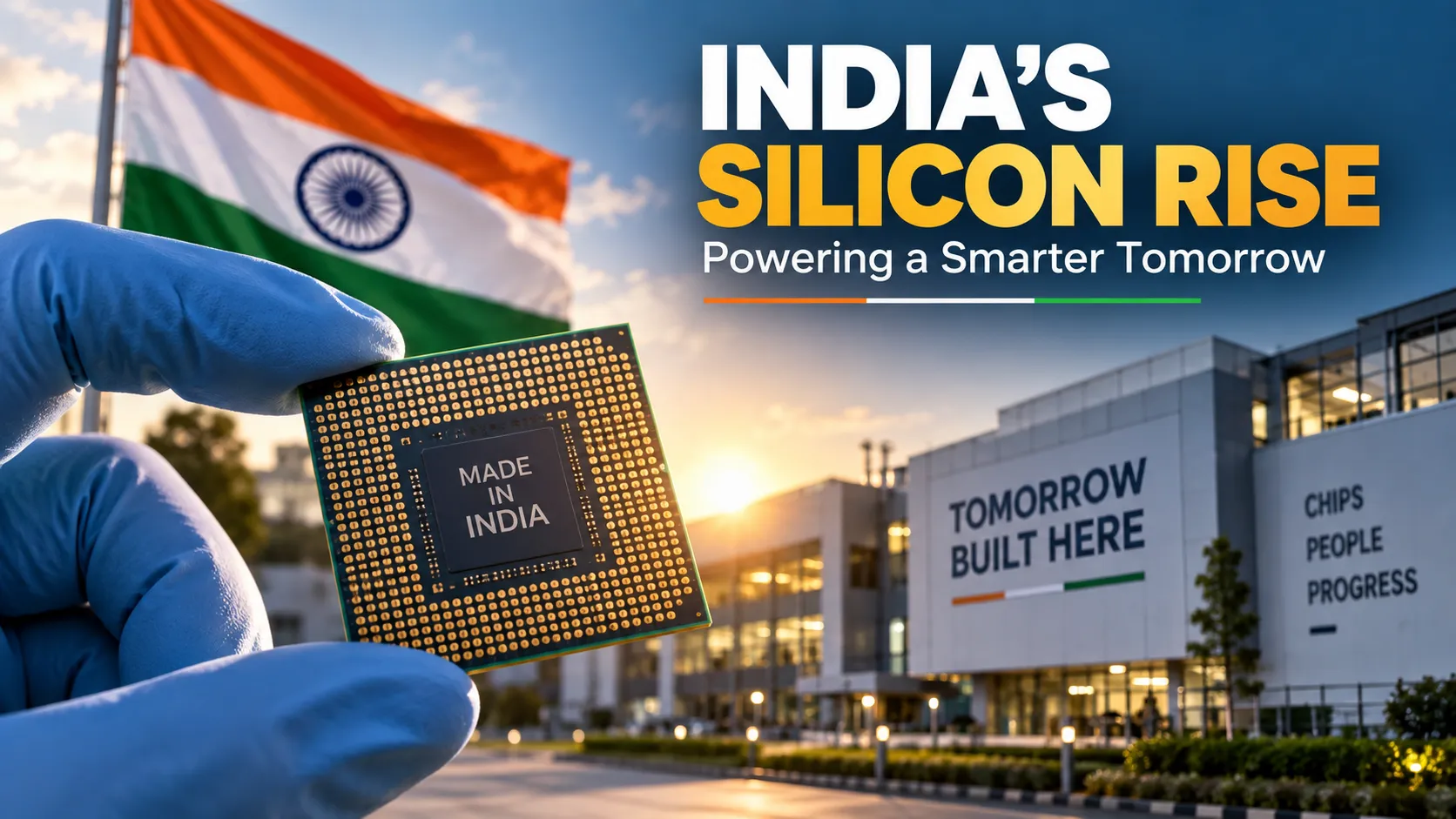
New Delhi, India is taking a giant leap into the global tech race as the nation rapidly transforms from a software services leader into a major hardware chip making hub. Under the India Semiconductor Mission, the government has approved 12 mega projects with a massive investment pipeline of over ₹1.64 lakh crore across states like Gujarat, Assam, Uttar Pradesh, and Punjab. Global and domestic industry giants like the Tata Group, Micron, and Kaynes Semicon have set up advanced plants, with five units already starting commercial production.
To build on this early success, the Union Cabinet launched the Semicon 2.0 initiative with an additional outlay of ₹1.27 lakh crore. This second phase expands focus beyond basic assembly toward indigenous chip design, specialized manufacturing equipment, raw materials, and R&D capabilities. By building a self reliant domestic supply chain, India aims to reduce its heavy dependence on foreign electronics imports and protect itself from global supply chain shocks.
These developments directly touch the lives of ordinary citizens because semiconductor chips act as the tiny electronic brains powering modern life. They run smartphones, electric vehicles, smart televisions, medical devices, and critical defense systems used across the country. Local manufacturing helps bring down the overall cost of gadgets over time while strengthening the technology powering everyday consumer electronics.
Moreover, this semiconductor revolution is creating thousands of high tech jobs for young Indian engineers and skilled factory workers nationwide. Educational institutions and startups are receiving strong support to train world class talent right here in the country. By combining deep engineering expertise with proactive policy backing, India is securing its position as a trusted digital partner to the world.