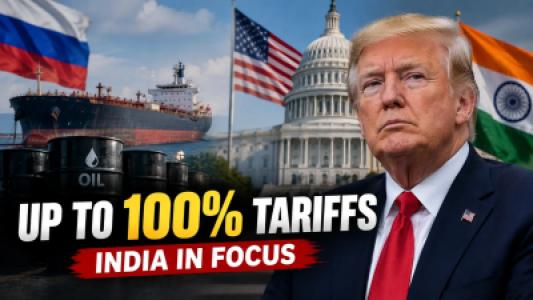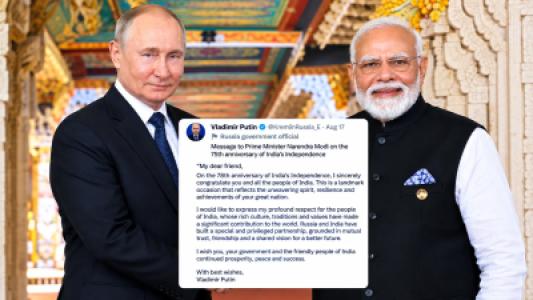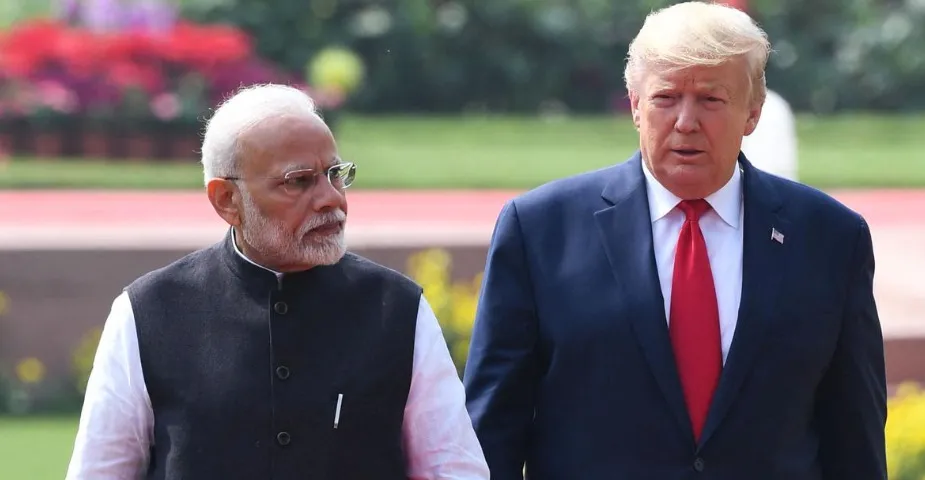
In a major international policy development, the Ministry of External Affairs confirmed that securing energy for 1.4 billion citizens remains India absolute national priority. This firm stance follows the passage of the Sanctioning Russia and Iran Act of 2026 in the US Congress, which proposes heavy import tariffs of up to 100% on countries continuing to buy Russian crude oil. Recent trade data shows Russia supplying over 50% of India monthly crude oil imports, valued at approximately $7.27 billion. Indian officials reiterated that energy sourcing will continue based on market dynamics, national economic protection, and diversified supply lines while working directly with local trade bodies to navigate international market changes.
At the same time, legal scrutiny surrounding public demonstrations reached the highest levels as the Supreme Court reviewed actions by police authorities regarding protest restrictions. A five member High Powered Enquiry Committee is currently examining reports of police excesses, lathi charge incidents, and blanket gathering bans imposed during public demonstrations in New Delhi. The top court emphasized that while public order and police safety are crucial, the constitutional right to peaceful assembly cannot be arbitrarily restricted by heavy handed enforcement measures. The panel has been instructed to ensure strict witness confidentiality and conduct an independent probe into crowd control practices.
Meanwhile, administrative and economic sectors across the nation are registering significant updates. India's recent trade figures reveal an upward swing in exports, with shipments to key partners rising by over 21% year-on-year to hit $8.4 billion. Simultaneously, urban transport authorities are rolling out major national highway projects targeting a 20% reduction in commercial transit times. Government task forces continue to monitor global economic policies closely, ensuring that domestic industries and local markets remain shielded from sudden external shifts.